
Country Profile
Burkina Faso: History, Culture, Education, and Development
Burkina Faso is a West African country best understood through its regional setting, historical depth, cultural diversity, educational development, and continuing public debates about leadership and future opportunity. This page organizes existing content into a clear learning pathway for students, families, educators, researchers, churches, and community learners.
Overview
Use this page as a structured introduction to Burkina Faso through geography, historical context, peoples and languages, education, culture and faith, Thomas Sankara, development and future opportunity, and further learning.
Geography
Burkina Faso is a landlocked country in West Africa shaped by Sahelian and savanna environments, regional exchange, and long historical connections across the region.
Historical Context
Historical study includes precolonial societies, the Mossi kingdoms, French colonial rule as Upper Volta, independence in 1960, and the country’s later renaming in 1984.
Peoples and Languages
The country includes many peoples and language communities, with French serving official and administrative functions alongside widely used national languages.
Geography
Geography and Regional Setting
Burkina Faso lies in the interior of West Africa and shares borders with Mali, Niger, Benin, Togo, Ghana, and Côte d’Ivoire. Its location places it within both Sahelian and savanna environments, which have shaped settlement patterns, agriculture, seasonal movement, and regional exchange over time. The country is often studied within wider West African and Sahelian history rather than in isolation, especially because ecological zones, trade routes, and cultural connections extend across modern borders.
Section summary: Geography helps explain why Burkina Faso is closely connected to neighboring societies, trade routes, and environmental patterns across West Africa.
- Landlocked West African setting
- Sahel and savanna influences
- Regional trade and migration links
Historical Context
Historical Context
Before colonial rule, the area that is now Burkina Faso included important political traditions, especially the Mossi kingdoms, alongside many other local systems of authority, exchange, and community organization. The region was connected to wider West African commercial, religious, and intellectual networks, including trans-Sahelian exchange and neighboring cultural centers. Under French colonial rule, the territory became Upper Volta. It gained independence in 1960, and in 1984 the country adopted the name Burkina Faso, often translated as “Land of Upright People.”
Note on chronology: Ancient and medieval dates may vary across scholarly sources. Broad historical periods and widely accepted dates are used here for educational orientation, and some details should be manually verified against current scholarship.
Section summary: Burkina Faso’s history is best studied as part of a longer regional story that includes precolonial institutions, colonial restructuring, and post-independence nation-building.
- Mossi kingdoms and regional societies
- French colonial administration as Upper Volta
- Independence in 1960 and renaming in 1984
Peoples and Languages
Peoples and Languages
Burkina Faso is home to many peoples with distinct histories and cultural expressions. The Mossi are often discussed because of their historical kingdoms and demographic importance, but the country also includes Fulani, Bobo, Gurunsi, Lobi, Sénoufo, Gourmantché, and many other communities whose histories may cross present-day national boundaries. Mooré, Dioula, Fulfulde, and other national languages are widely used in daily life, while French serves official and administrative functions. Family networks, local associations, oral traditions, and community institutions remain important social anchors.
Section summary: The country should be understood through multiple peoples, languages, and community traditions rather than through a single cultural narrative.
- Many peoples and cultural communities
- French and widely used national languages
- Strong community and kinship ties
Education and Public Life
Education
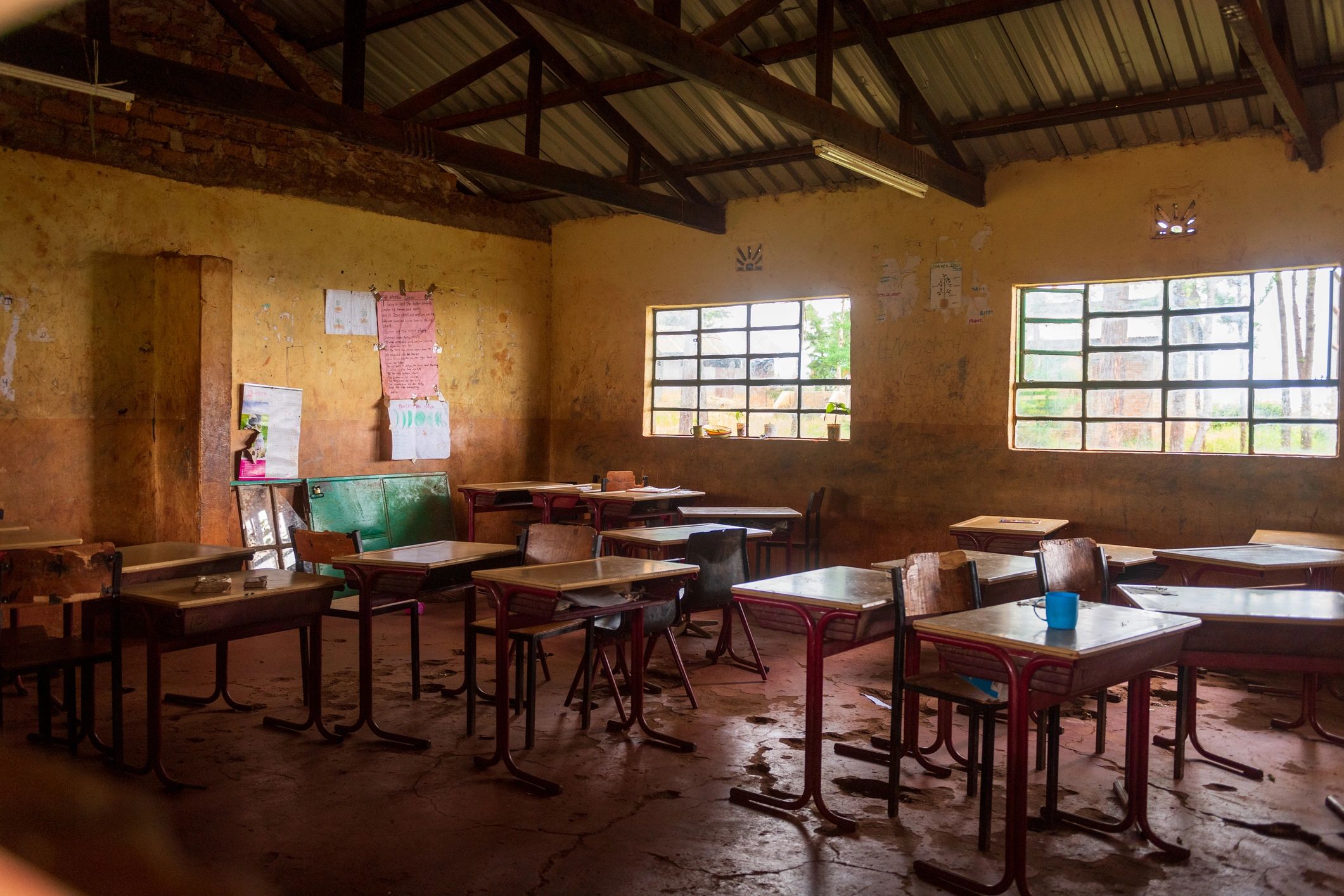
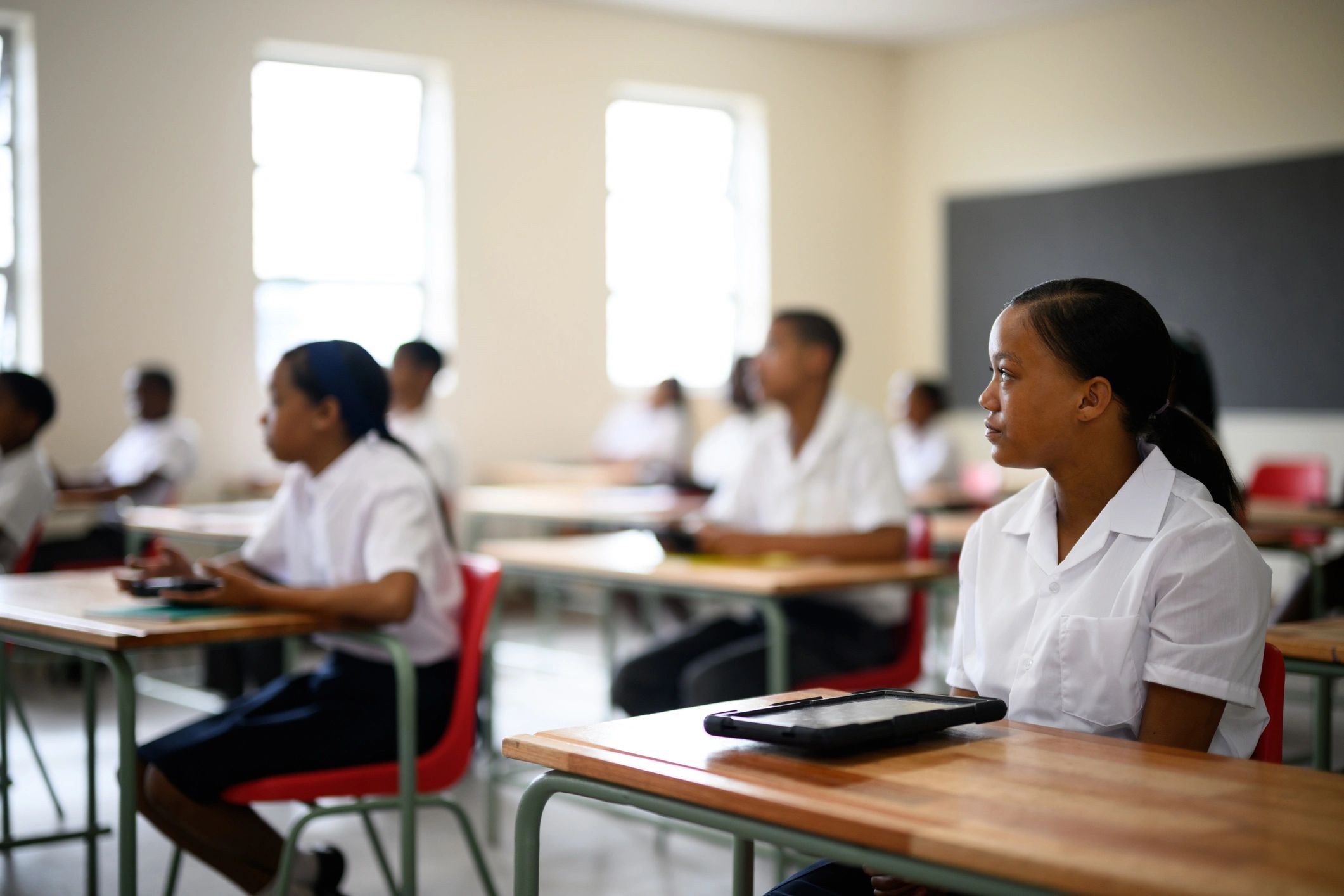
Education has long been central to national development discussions in Burkina Faso. Primary and secondary schooling, teacher preparation, universities, literacy efforts, and public institutions all influence professional formation and civic participation. Access, quality, language of instruction, rural-urban differences, and the relationship between formal schooling and community knowledge remain important areas for deeper research. For institution-specific study, readers should consult current ministry, university, and international education sources, including the African and Diaspora Learning Institutions page.
Last reviewed: July 2026
Manual editorial verification: Current education conditions, enrollment patterns, and institutional details should be checked against up-to-date official and research sources before being treated as current.
Section summary: Educational development is closely connected to language, institutions, and community life, and should be studied through both opportunity and challenge.
Culture and Faith
Culture and Faith
Cultural life in Burkina Faso includes music, storytelling, festivals, textiles, crafts, oral knowledge traditions, and strong local community practices. The country is also widely recognized for artistic expression, including performance, visual arts, and film culture. Cultural continuity is shaped through family, locality, ceremony, and shared historical memory rather than through any single tradition alone.
The country’s religious landscape includes Muslim, Christian, and indigenous religious traditions. In many communities, faith is expressed through worship, social ethics, life-cycle ceremonies, and intergenerational practice. Educational discussions should avoid treating these traditions as isolated from one another, since many communities have long histories of interaction, coexistence, and mutual influence.
Section summary: Culture and faith are best studied as lived parts of community life, memory, ceremony, and everyday practice.
Leadership
Thomas Sankara
Thomas Sankara remains one of the most widely studied figures in the country’s modern history. Serving as head of state from 1983 to 1987, he is often remembered in discussions of national dignity, public service, anti-corruption, women’s participation, and self-reliance. His legacy continues to attract scholarly attention, public discussion, and differing historical interpretations across Africa and beyond. Educational study of Sankara is most useful when placed within the broader history of post-independence governance, economic debate, and social change in Burkina Faso.
Manual editorial verification: Interpretations of Sankara’s legacy vary across scholarly and public sources and should be reviewed with historical context.
This page presents Sankara as a historically significant figure for study and reflection, not as a prompt for present-day political advocacy.
Educational Note
Manual review note: Current political developments, officeholders, and security conditions should be checked against current official and research sources because they may change over time.
Development and Future Opportunity
Development and Future Opportunity
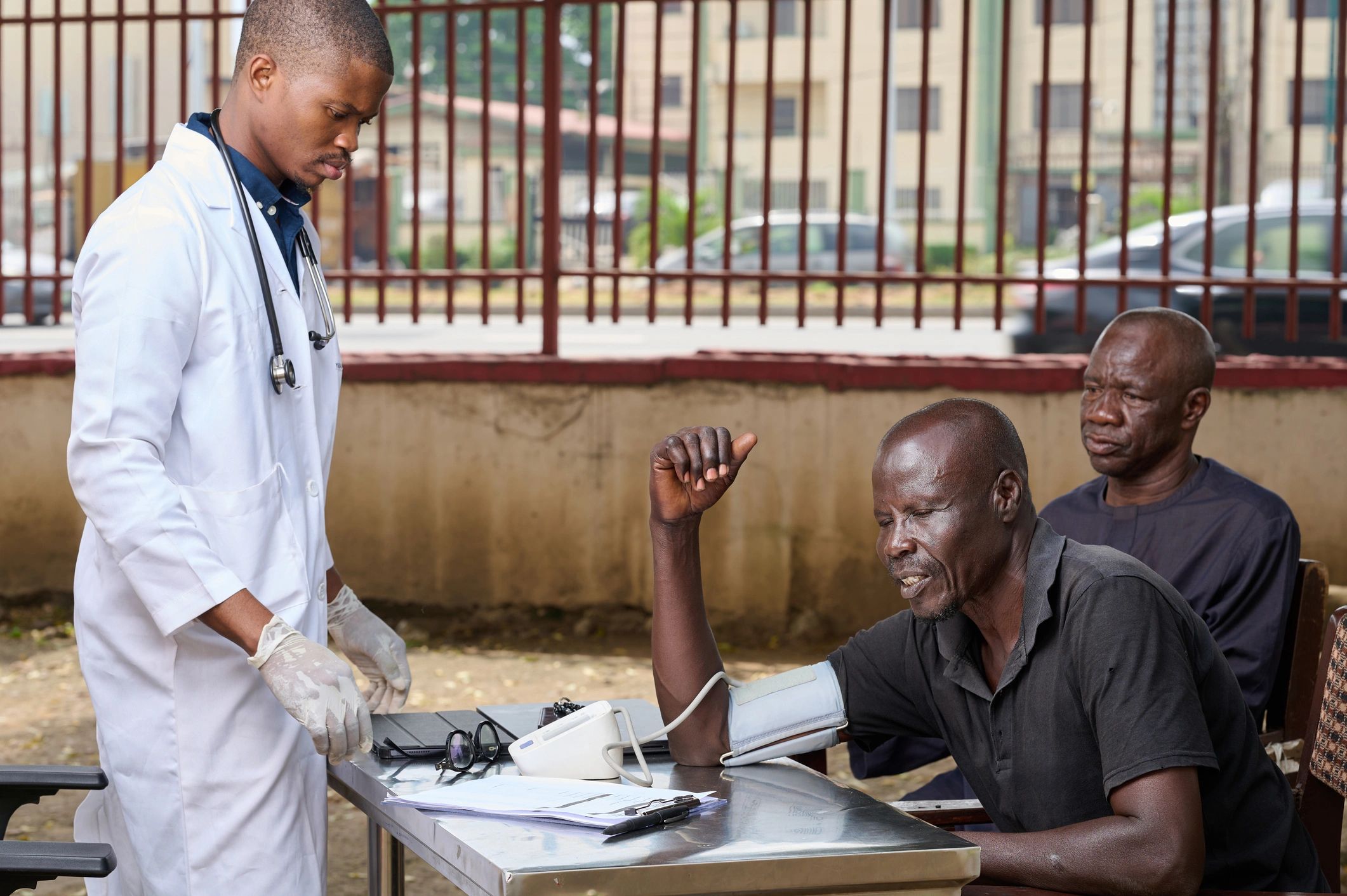
Burkina Faso’s future is often discussed in relation to education, health, employment, agriculture, cultural industries, and civic opportunity. Agriculture remains important to livelihoods and the national economy, while trade, services, arts, and entrepreneurship also contribute to public life and future possibility. Discussions of development are most useful when they consider both structural challenges and the knowledge, resilience, and creativity already present in communities.
Last reviewed: July 2026
Manual editorial verification: Current political, economic, population, and education conditions should be checked against up-to-date official and research sources before being treated as current.
Section summary: Future opportunity should be understood through education, community strength, public institutions, and long-term human development rather than through unsupported promises.
Key Takeaways
- Burkina Faso is best studied within wider West African and Sahelian history.
- The country’s history includes precolonial political traditions, colonial restructuring, independence, and post-independence debate.
- Its peoples and languages reflect cultural diversity that crosses modern borders.
- Education, culture, and faith are closely connected to community life and long-term development.
- Thomas Sankara remains an important historical figure whose legacy should be studied with context and nuance.
- Time-sensitive political detail should be manually reviewed against current official and research sources.
Further Learning
For deeper study, use this page alongside broader learning pathways on African history, civilizations, institutions, faith, and future opportunity.
Related Learning Links
- African Knowledge Center
- African Civilizations and Peoples
- African and Diaspora Learning Institutions
- African Christianity: History, Faith, and Education
- From the Motherland to Worldwide Opportunity
- Africa to America: A Historical and Educational Timeline
Sources and Further Reading
This temporary section is a placeholder for future source documentation. Specific citations and source titles should be added during manual editorial review rather than inferred here.
- Official government and ministry publications
- University and library research resources
- Peer-reviewed scholarship in African studies, history, religion, politics, and education
- International educational and development references
- Archive, museum, and research collections
Manual editorial verification: Add source titles, publication dates, and links only after they have been individually confirmed.