
Approach
Nguzo Saba Framework
An educational learning center exploring the history and purpose of Kwanzaa, the seven principles of Nguzo Saba, and their relevance for families, classrooms, communities, lifelong learning, and African-centered educational practice within the broader Knowledge Center.
Overview
History, Purpose, and Living Practice
The Nguzo Saba are the seven principles associated with Kwanzaa, a cultural observance introduced in 1966 by Dr. Maulana Karenga. In educational settings, the framework can be studied as a way to examine values, cultural memory, community responsibility, and reflective practice. On this page, Positive Learning Success presents the framework as a year-round learning resource that supports historical understanding, cultural reflection, lifelong learning, and purposeful instruction.
Note on chronology: Ancient and medieval dates may vary across scholarly sources. Where dates appear on related educational pages, they should be read as approximate or broadly accepted unless a source is provided. Claims that are not yet cited should be reviewed manually before being treated as verified.
Educational Purpose
Nguzo Saba offers a values-based framework for exploring identity, responsibility, cooperation, creativity, and hope. It can help learners connect cultural knowledge with daily habits, academic goals, family life, and community life while encouraging thoughtful discussion rather than formulaic interpretation.
Learning Across Settings
Families, educators, youth leaders, faith communities, and institutions can use the principles to guide discussion, reflection, classroom culture, service, and intergenerational learning. This approach helps place Kwanzaa and Nguzo Saba within broader educational conversations rather than limiting them to a seasonal observance alone.
Framework
The Seven Principles of Nguzo Saba
The seven principles provide a practical framework for cultural learning, ethical development, and community-centered education. Together they help learners consider how values can shape personal growth, collective responsibility, and long-term community development.
Umoja | Unity
Umoja calls people to maintain togetherness in family, community, and shared purpose. In educational settings, it supports belonging, respectful collaboration, and learning environments rooted in mutual care and shared responsibility.
Kujichagulia | Self-Determination
Kujichagulia emphasizes the right to define, name, and speak for oneself. For youth and educators, it encourages voice, agency, identity formation, and the confidence to engage learning, civic life, and community participation with clarity and purpose.
Ujima | Collective Work and Responsibility
Ujima teaches that shared challenges require shared effort. In schools, homes, and organizations, it supports collaborative problem-solving, accountability, and a commitment to strengthening the wellbeing of the wider community.
Ujamaa | Cooperative Economics
Ujamaa highlights shared stewardship and community support. It invites learners to consider how resources, institutions, and economic choices can strengthen educational opportunity, local capacity, and collective wellbeing.
Nia | Purpose
Nia encourages individuals and communities to pursue goals that contribute to a greater good. In learning environments, it helps students connect study, service, leadership, and future aspirations to meaningful responsibility.
Kuumba | Creativity
Kuumba calls people to leave their communities more beautiful and beneficial than they inherited them. In classrooms and youth programs, it encourages original thinking, cultural expression, problem-solving, and constructive contribution.
Imani | Faith
Imani affirms belief in people, communities, and the possibility of transformation. Educationally, it supports resilience, moral vision, and confidence in long-term learning, institution building, and community renewal.
Learning Center
Family, Classroom, and Community Learning
Nguzo Saba can support reflective learning at home, in classrooms, faith communities, and across community settings through discussion, creative practice, and shared responsibility. Use these prompts as starting points for age-appropriate learning and guided conversation.
Family and Community Reflection
Families and community groups can use the principles for daily reflection, intergenerational conversation, service planning, and cultural celebration that connects values to lived experience. Prompt: choose one principle and discuss how it can be practiced during the week at home, in school, or in the community.
Classroom and Youth Activities
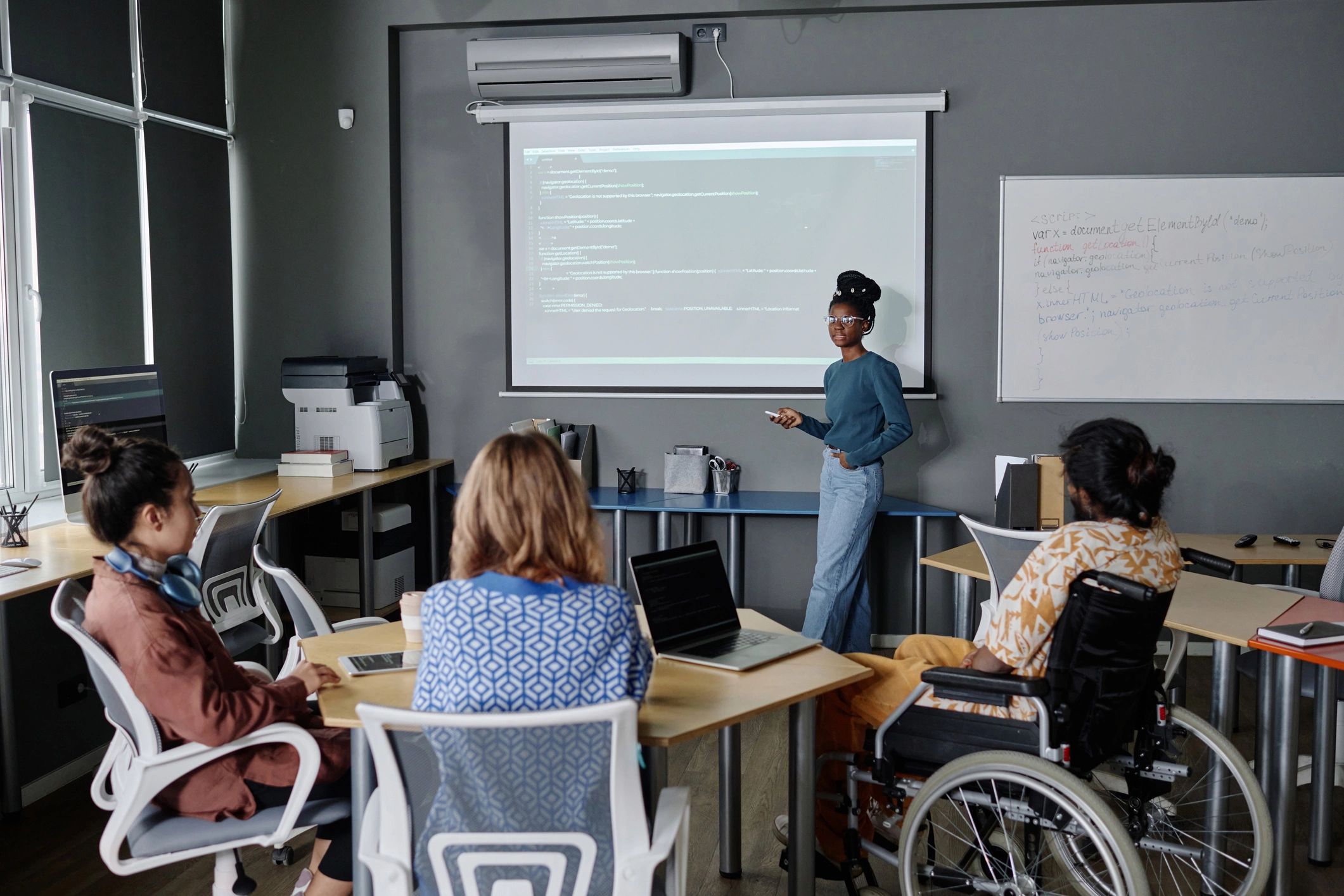
Teachers and youth leaders can build lessons around vocabulary study, journaling, collaborative projects, oral presentations, art, and service activities that bring each principle into practice. Prompt: invite learners to compare one principle with a classroom norm, a historical example, or a community responsibility.

Educational Resources and Reflection
Learners can deepen understanding through guided reading, historical study, reflective writing, and comparison with broader African-centered frameworks, institutions, and cultural traditions. Prompt: explore how the principles connect to wider themes in history, education, faith, and community life.
Framework Questions
Common questions about Kwanzaa, Nguzo Saba, and how the framework supports educational and community learning.
What is the purpose of Kwanzaa?
Kwanzaa is a cultural observance that affirms African heritage, community values, and collective responsibility. Its purpose includes reflection, celebration, and renewed attention to principles that can strengthen family life, community learning, and cultural understanding.
Is Nguzo Saba only for holiday instruction?
No. While the principles are widely recognized during Kwanzaa, they can also be used year-round as an educational framework for reflection, classroom culture, leadership, and community engagement.
How can families use the seven principles?
Families can use the principles for conversation, goal setting, service, storytelling, reading, and reflection. Even simple routines such as discussing one principle each week can support meaningful lifelong learning and intergenerational connection.
How does it support classroom learning?
The framework supports classroom learning by connecting academic content to values, identity, collaboration, and purpose. It can inform discussion prompts, projects, writing, service learning, classroom norms, and community-based learning activities.
Where can I find related educational materials?
Positive Learning Success provides related materials through its Member Resources, Curriculum Resources, Publications, African-Centered Pedagogy, and broader African Knowledge Center content.
How does this connect to Positive Learning Success?
Positive Learning Success uses the Nguzo Saba Framework to support African-centered pedagogy, cultural restoration, historical understanding, and future-focused learning opportunities for educators, families, institutions, and community learners.
Sources and Further Reading
This temporary section is provided as a placeholder for future editorial sourcing. Specific citations, source titles, and publication details should be added manually after review. Until then, readers may consult museum education materials, university African studies programs, library and archive collections, peer-reviewed scholarship, and reputable cultural institutions, while comparing interpretations carefully. Related site pages include the African Knowledge Center, Africa to America Timeline, and African Civilizations and Peoples.
Manual editorial verification needed: uncited historical, cultural, or interpretive claims on this page should be reviewed against reliable educational sources before formal publication or citation.