Historical Continuity
Spiritual & Religious Connections
Explore how African spiritual traditions, sacred worldviews, and religious practices contributed to cultural continuity across the Atlantic world and informed community formation, historical memory, and educational interpretation in the Americas.
Sacred traditions in context
This page situates spiritual and religious connections within a broader African historical continuum. Rather than treating belief systems as isolated artifacts, Positive Learning Success presents them as living intellectual, ethical, and communal frameworks that traveled, adapted, and endured. Across regions and generations, spiritual practices influenced language, music, ritual, kinship, resistance, and collective identity, leaving lasting marks on cultural life, community memory, and educational interpretation in the Americas.
Key Themes
Three lenses for study
Use these connected themes to explore how spiritual and religious traditions preserved memory, organized community life, and informed educational interpretation.

Historical foundations
Study how many pre-colonial African societies connected governance, ethics, scholarship, and sacred practice in everyday life, while recognizing the diversity of traditions across regions and time periods.
Related learning: African Civilizations and Peoples
Cultural continuity
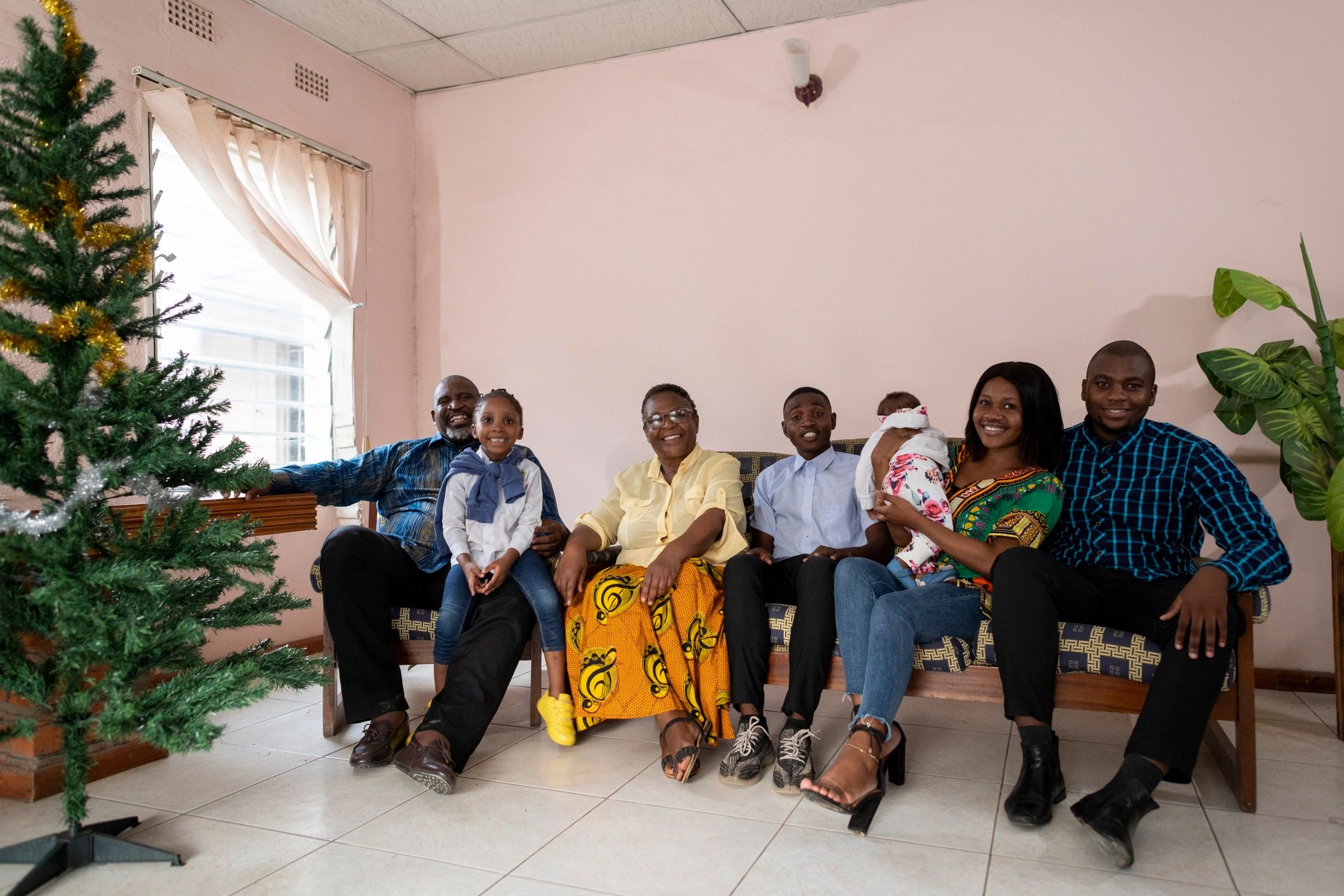
Trace how ancestral frameworks and cultural memory continued through ritual, oral tradition, naming practices, music, and communal observance, even as communities adapted to displacement and changing historical conditions.
Related learning: Nguzo Saba Framework and African Knowledge Center

Educational meaning
Connect spiritual and religious history to curriculum design, historical inquiry, and culturally grounded teaching practice in ways that are educational, balanced, and context-aware.
Related learning: African Christianity and Member Resources
Interpretive Focus
Why this history matters
Understanding spiritual and religious connections helps educators and institutions move beyond narrow narratives of rupture. It highlights African agency, intellectual depth, and the persistence of meaning-making traditions that shaped families, communities, and public culture across different places and periods.
For researchers, this work supports more accurate historical framing. For teachers, it strengthens curriculum with context that honors continuity, complexity, and the role of belief, ritual, and moral philosophy in community life without reducing African or diaspora traditions to a single story.
Explore related pages: Africa to America Timeline, African and Diaspora Learning Institutions, and African Knowledge Center